

Issue 182: AMA Vol. 18
You asked me about the indie explosion, collecting for beginners, Bremont and more

Hello and welcome back to The Fourth Wheel, the weekly watch newsletter that is, well, tired. If I enjoyed running, which I don’t, I would probably draw an analogy between this time of year and the sensation that your muscles are aching, you’re burning lactic acid all over the shop and you just have to keep going to the finish line. In not unrelated news, I just finished the first draft of a book. You’ll see that next year. This week’s newsletter is necessarily a little bit shorter than normal. If I missed your question, I apologise; I have a sense that there were more and I can’t locate them all. Any I’ve missed I will pick up next week.
The Fourth Wheel is a reader-supported publication with no advertising, sponsorship or commercial partnerships to influence its content. It is made possible by the generous support of its readers: if you think watch journalism could do with a voice that exists outside of the usual media dynamic, please consider taking out a paid subscription. You can start with a free trial!
Here’s a little taste of what you might have missed recently:


Ask Me Anything: Vol 18
Is the current explosion of indies a sign of permanent change or is it a phase? - Amateur Hour Watches
Yes. Both.
To give some context: when I carried out a survey of indie watch brands earlier this year, 54 per cent of respondents were younger than ten years old. Twenty-seven per cent were less than five years old. The GPHG longlist was absolutely stuffed with watchmakers you’ve never heard of from around the world and every major city on the planet is currently scrambling to host a Watch Week of some description.
My sense of things, and the reason I say yes to both, is that on the one hand there are underlying structural factors that have made it both easier and more appealing to launch a watch brand than ever before. On the other hand, simple logic - plus the generally cyclical nature of so many things in life - dictates that what we are currently witnessing is probably unsustainable.
Social media has made it vastly simpler to market a new watch brand and reach your potential tribe of early adopters. Depending on your level of craftsmanship, advancements in rapid prototyping and material science are beneficial (think of how cheaply a very decent ceramic case can be found these days, for example). Trustworthy e-commerce is also not to be overlooked. I also think - although I have less data for this - that these days watchmaker-founders are less likely to spend time working for established brands, or toiling away in the crucible of restoration workshops before starting out on their own. If we take the current wave as, broadly speaking, the post-pandemic generation, and as our benchmark the last great wave of indie launches (which also spawned the term ‘micro-brand’) in 2014-2016, these elements were all present but less developed. If you look at the indies that we now consider ‘legacy’ players, i.e. those that launched around the turn of the millennium, the landscape is unrecognisable.
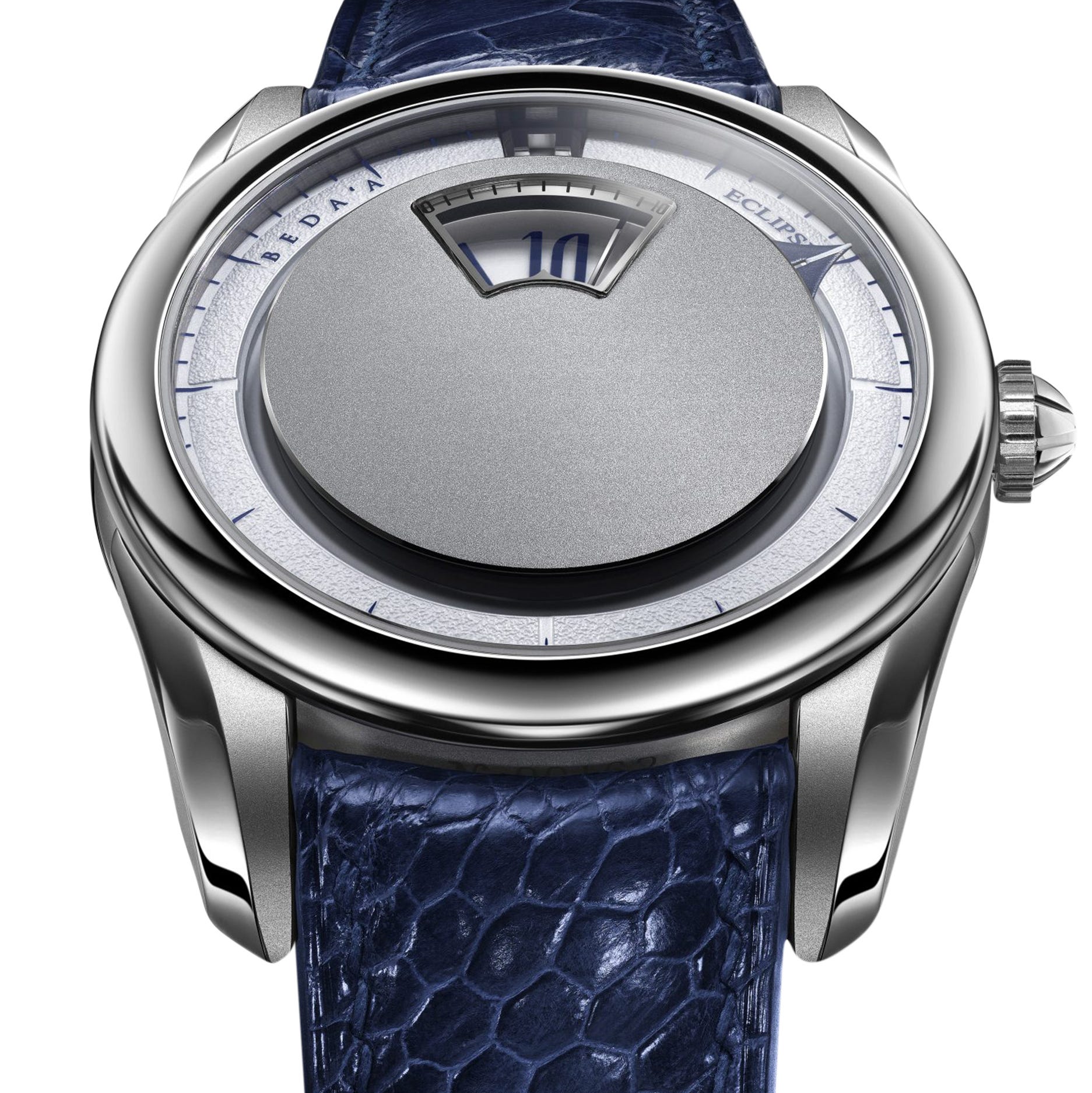
These factors are not going away; the world will continue to get faster, cheaper and more interconnected. Other factors - like the scarcity of mainstream luxury watches during the pandemic that begat the great spike in high-end indie demand (and arguably, the disillusionment with mainstream luxury brands that has followed) - are more cyclical. Also cyclical are basic behavioural trends; indie anything is essentially a rejection of the mainstream, and while a minority will stay loyal to indie makers, there is another demographic that will leave when it becomes less fashionable/the mainstream gets its shit together again.
There is a lag in the market; if you set a brand up today, you’ll get your watches in customers’ hands 12-18 months from now, give or take. The retail market really started to cool in 2024, so anyone who still thought it was a good time to found a new brand might find the tide going out around them in the next six to 12 months. A counterbalance to this, however, is the tendency of people to see success around them and take courage from that, not realising that they will launch into a very different market.
Also, not every brand has what it takes to survive, regardless of external circumstances. A huge number of people want to make ‘a watch’ and that is literally what they do - once the itch is scratched, they might carry on for a while, but they wanted to prove they could do it. Once it’s done, they don’t necessarily have a business plan that’s going to create the next Ming or Christopher Ward.
Lastly I would bring up two interlinked biases: that of recency and that of survivors. We feel that there are more watch brands than ever appearing on the scene, because it’s happening right now; the much smaller number of brands from 20-30 years ago that we venerate are simply the ones that made it. Dozens of watchmakers gave it a go and fell by the wayside between 2000 and 2008, for example. That said, I do agree with the premise of your question, and I think over the next decade we will see 2-3 more years of expansion followed by 5 years of contraction, after which a new crop of dreamers will come forth. In some ways, that’s the nice thing: there will always be new dreamers, even if some of them are doomed to fail.
What’s your favourite obscure watch term? - Ali Plumb
There are loads, but I’m going to go with ‘silent governor’. Mostly because it sounds like a character from a Guy Ritchie movie. “‘E’s silent, the guv’nor, on account of ‘im ‘aving ‘is tongue ‘acked out when ‘e was 18. But don’t you fink that just cos ‘e can’t talk ‘e ain’t got nuffin to say.1”
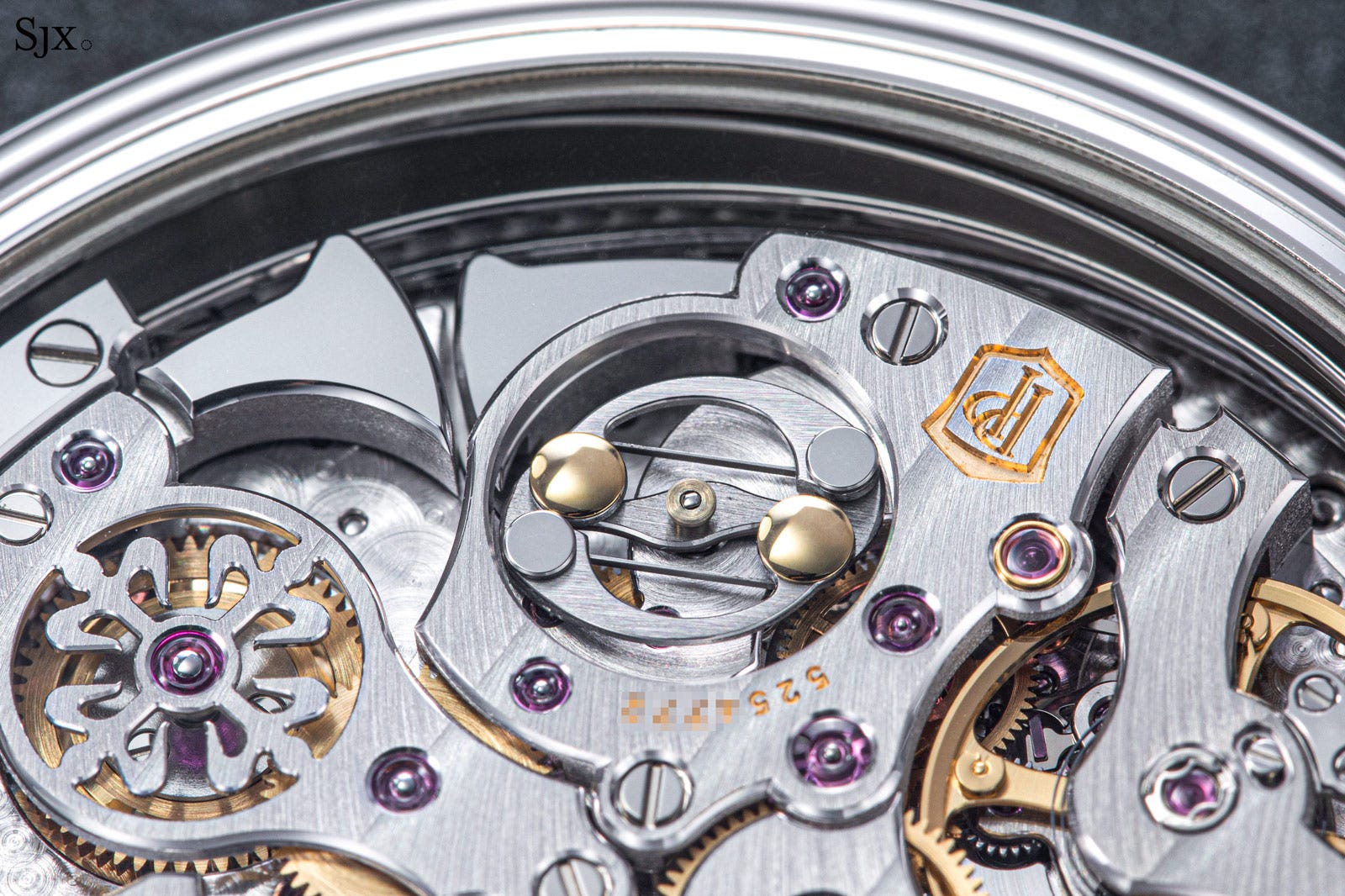
In watchmaking, however, a silent governor is a sort of flywheel, usually found in minute repeater movements and used to regulate the energy that builds up in complications that require the release of a large amount of it all at once, e.g. when you activate the slide to play its melody. More technically, it’s a centrifugal brake: a wheel with two or more weighted arms that uses air friction as it spins to prevent the gear train to which it is attached from dispensing its energy too quickly. The point of this is to space out the chiming functions of a sonnerie, when there is no human interaction between activating the chime and the entire sequence playing out. You’ve got a lot of stored energy to release in order to hit tiny hammers against tiny gongs, and you want it to happen in an orderly and civilised manner. They’re called silent governors because the previous method was to slow down the gear train by physical friction in the form of a sort of ratchet wheel, which would buzz somewhat distractingly when you were trying to listen to your minute repeater. There is a proper explanation here, by SJX.
